Media Hub
Research, analysis, and commentary from the EPICENTER network on the EU's 2028-2034 budget. Our experts across Europe bring national perspectives to a Brussels debate that affects every taxpayer on the continent.
The authors of the publication are available for interviews and in-depth analysis of the research and recommendations

Christian Năsulea
Executive Director at IES Europe
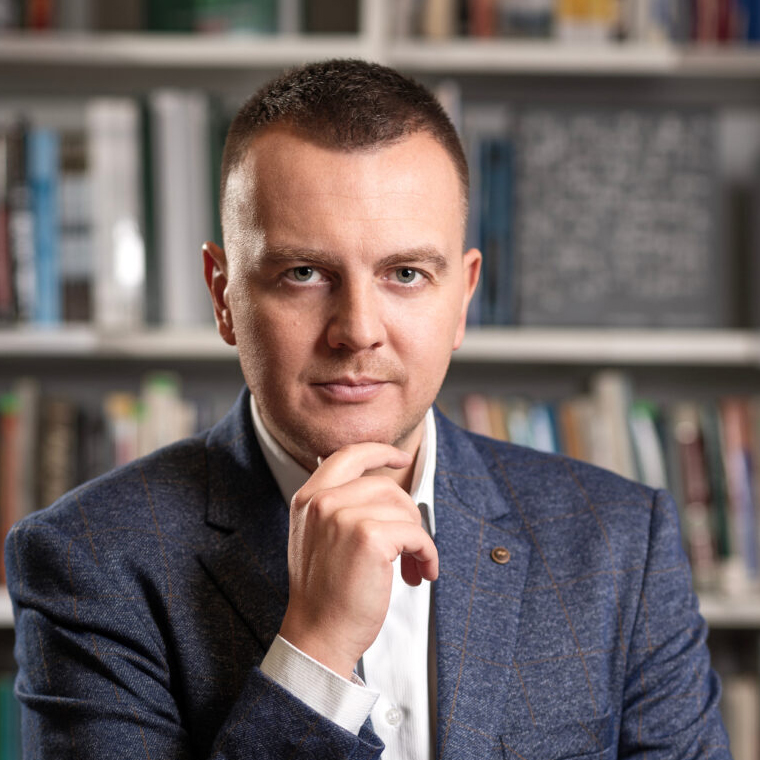
Petar Ganev
Senior Research Fellow at IME

Constantinos Saravakos
Head of Research at KEFiM
Contact
For press enquiries, partnership proposals, or questions about the Alternative MFF project:
Brussels

Rede europeia de grupos de reflexão desafia Bruxelas com orçamento alternativo para a UE
In response to the "largest budget ever," Epicenter proposes to limit it to 1% of Gross National Income. The plan suggests far-reaching reforms to the Common Agricultural Policy and the pension system to ensure financial discipline. The central objective is to promote innovation and the capital market without burdening taxpayers with new taxes
Europe needs a leaner, sharper EU budget
Bigger is not always better. But Brussels has convinced itself that Europe’s problems can only be solved by throwing more money at them. One would think that the runaway inflation post-pandemic and the stagnating economic growth in a high-tax, high-regulation environment has already proven this theory wrong.

Budget battle lines drawn over Brussels spending scale and revenue sources
Negotiations over the European Union’s next long-term budget have exposed deep divisions between institutions, member states and policy analysts over how much the bloc should spend, how it should raise the money, and whether a larger budget would meaningfully address Europe’s underlying competitiveness challenges.
The Illusion That a Bigger EU Budget Creates a Stronger Europe
The next EU budget should be judged by one basic test: whether it is genuinely European in purpose, not merely in branding. A budget is not European simply because the money is spent through Brussels. It is not European because national governments, sectoral lobbies and regional authorities attach EU language to domestic spending demands. And it is certainly not European when it becomes a piggy bank for national interest groups or political promises of the member states.
Bulgaria

България има по-голям интерес от конкурентна Европа, отколкото от нови европейски данъци
Bulgaria has more interest in a competitive Europe than in new European taxes.EPICENTER and IME warn of expansion of fiscal centralization and propose an alternative to the EU budget (2028-2034)
България има по-голям интерес от конкурентна Европа, отколкото от нови европейски данъци
Bulgaria has more interest in a competitive Europe than in new European taxesEPICENTER and IME warn of expansion of fiscal centralization and propose an alternative to the EU budget (2028-2034)

ИПИ предупреди: Най-малко 300 големи компании в България могат да бъдат засегнати от новото предложение за европейско корпоративно облагане
IME warned: At least 300 large companies in Bulgaria may be affected by the new proposal for European corporate taxation
ИПИ предупреди: Най-малко 300 големи компании в България могат да бъдат з...
IME warned: At least 300 large companies in Bulgaria may be affected by the new proposal for European corporate taxation
Прессъобщение ИПИ: България има по-голям интерес от конкурентна Европа, отколкото от нови европейски данъци
IME: Bulgaria is more interested in a competitive Europe than in new European taxes. EPICENTER and IME warn of expansion of fiscal centralization and propose an alternative to the EU budget (2028-2034)
Статия ИПИ: По-голям бюджет на ЕС крие рискове за България
Bulgaria has joined the "Friends of Cohesion" club and insists on a larger EU budget and more money for cohesion. Why can this be dangerous?
Петър Ганев: Срещу всяко евро, което даваме в общия бюджет на ЕС, България получава 2,54 евро, но има и рискове
Petar Ganev: For every euro we give to the general budget of the EU, Bulgaria receives 2.54 euros, but there are also risks. At first glance, it seems logical to join the countries that are net recipients of funds from the EU budget (mainly CEE countries).
ИПИ: По-голям бюджет на ЕС крие рискове за България
IME: A larger EU budget poses risks for Bulgaria. Bulgaria has joined the "Friends of Cohesion" club and insists on a larger EU budget and more money for cohesion. Why can this be dangerous?

По-голям бюджет на ЕС крие рискове за България
Bulgaria has joined the "Friends of Cohesion" club and insists on a larger EU budget and more money for cohesion. Why can this be dangerous?
Петър Ганев: Срещу всяко евро, което даваме в общия бюджет на ЕС, България получава 2,54 евро, но има и рискове
Petar Ganev: For every euro we give to the general budget of the EU, Bulgaria receives 2.54 euros, but there are also risks.
Czechia

Návrh rozpočtu EU normalizuje společné zadlužování, míní odborníci
EU budget proposal normalises joint debt, experts say. The European Commission is preparing a new seven-year EU budget in the amount of 1.7 trillion euros.

Návrh rozpočtu EU normalizuje společné zadlužování, míní odborníci
EU budget proposal normalises joint debt, experts say The European Commission is preparing a new seven-year EU budget in the amount of 1.7 trillion euros.

Evropský rozpočet na rozcestí. Jak financovat budoucí výzvy EU?
The European budget at a crossroads. How to finance future EU challenges?The European Union is preparing a new multiannual financial framework for the period 2028-2034 with a proposed budget of €1.7 trillion.

EU žádá nové daně jen pro sebe
The EU is asking for new taxes only for itself. The European Union is preparing a new multiannual financial framework for the years 2028 to 2034 with a proposed budget of 1700 billion euros.

Evropský rozpočet na rozcestí. Jak financovat budoucí výzvy EU?
The European budget at a crossroads. How to finance future EU challenges? The European Union is preparing a new multiannual financial framework for the period 2028-2034 with a proposed budget of €1.7 trillion.

Evropský rozpočet na rozcestí. Jak financovat budoucí výzvy EU?
The European budget at a crossroads. How to finance future EU challenges? The European Union is preparing a new multiannual financial framework for the period 2028-2034 with a proposed budget of €1.7 trillion.
Germany

Laut einer neuen Studie können im EU-Haushalt 220 Milliarden Euro eingespart werden
According to a new study, 220 billion euros can be saved in the EU budget. A group of liberal think tanks is calling for a radical reform of the EU budget. The EU should concentrate on its actual tasks and deepen the internal market. This would therefore also relieve the burden on national budgets.
IWF fordert Eurobonds zur Schuldenumschichtung
It sounds like a fairy tale from the Arabian Nights. And the story disappeared just as quickly as it flashed in the media: In the second week of May, the think tank Epicenter, located at the heart of Brussels' Euro-bureaucracy, published a working paper with a list of ideas to support the EU Commission's budget, which is increasingly being influenced by the ...
Greece

Εργαζόμενοι και φορολογούμενοι πληρώνουν τις συντάξεις
Workers and taxpayers pay pensions 57% of the funding comes from contributions and 43% from taxes

Συνταξιοδοτικό: Μελέτη ΚΕΦίΜ βλέπει «βόμβα» στις συντάξεις Ελλάδας και ΕΕ
Pension: KEFiM study sees a "bomb" in Greek and EU pensions. The Greek pension system continues to be one of the biggest fiscal headaches of the economy, despite the successive reforms of recent years, according to a new study by the Center for Liberal Studies (KEFiM), which examines both the Greek reality and the corresponding system of the European Union.
Το ασφαλιστικό επιστρέφει ως η μεγάλη «σιωπηλή κρίση»: Από τον κρατικό προϋπολογισμό το 43% των συντάξεων
The social security system returns as the great "silent crisis": 43% of pensions from the state budget. The new study by the Center for Liberal Studies (KEFIM) comes to remind us of an issue that for years seemed to have moved away from the center of the public debate: the social security issue has never ceased to be one of the biggest structural problems of the Greek economy. Simply, for a while, it ceased to produce an immediate political shock.

ΚΕΦΙΜ: Σε Ελλάδα αλλά και στην Ευρωπαϊκή Ένωση το συνταξιοδοτικό παραμένει βαρίδι για τους φορολογούμενους
KEFIM: In Greece and in the European Union, the pension system remains a burden for taxpayers. The study also highlights a lesser-known, but particularly crucial dimension: the pension system of the European Union institutions operates without reserves.

«Καμπανάκι» από το ΚΕΦΙΜ: Το 43% των συντάξεων στην Ελλάδα εξακολουθεί να καλύπτεται από τον τακτικό προϋπολογισμό
"Bell" from KEFIM: 43% of pensions in Greece are still covered by the regular budget. The survey records that in 2025, 57% of pension expenses were covered by employee and employer contributions, while the remaining 43% came directly from the regular budget.

ΚΕΦΙΜ: Το 43% των συντάξεων χρηματοδοτήθηκε από τον τακτικό προϋπολογισμό το 2025
KEFIM: 43% of pensions were financed by the regular budget in 2025. The insurance system in Greece is still heavily dependent on taxation, with 43% of pensions in 2025 funded by the regular budget, while 57% was funded by contributions, with the country's population continuing to age.

Βαρίδι για τους φορολογουμένους το συνταξιοδοτικό
In the existing pay-as-you-go system, pensions are not paid only by contributions, but a large part of them is covered by general taxation, i.e. by all taxpayers. The structural lag of pension systems in Greece and in the institutions of the European Union is highlighted by the new policy paper of the Center for Liberal Studies (KEFIM) entitled "The Pension System in Greece and the EU: A Development Tool Without Application".

ΚΕΦΙΜ: Το 43% των συντάξεων χρηματοδοτήθηκε από τον τακτικό προϋπολογισμό το 2025
KEFIM: 43% of pensions were financed by the regular budget in 2025. The insurance system in Greece is still heavily dependent on taxation, with 43% of pensions in 2025 funded by the regular budget, while 57% was funded by contributions, with the country's population continuing to age.
ΚΕΦΙΜ: Το 43% των συντάξεων χρηματοδοτήθηκε από τον τακτικό προϋπολογισμό το 2025
KEFIM: 43% of pensions were financed by the regular budget in 2025. The insurance system in Greece is still heavily dependent on taxation, with 43% of pensions in 2025 funded by the regular budget, while 57% was funded by contributions, with the country's population continuing to age.

ΚΕΦΙΜ: Το 43% των συντάξεων χρηματοδοτήθηκε από τον τακτικό προϋπολογισμό το 2025
The insurance system in Greece is still heavily dependent on taxation, with 43% of pensions in 2025 funded by the regular budget, while 57% was funded by contributions, with the country's population continuing to age.

ΚΕΦΙΜ: Το 43% των συντάξεων χρηματοδοτήθηκε από τον τακτικό προϋπολογισμό το 2025
The insurance system in Greece is still heavily dependent on taxation, with 43% for pensions in 2025 funded by the regular budget, while 57% was funded by contributions, with the country's population continuing to age. After years of efforts to improve it, due to memorandum commitments, the insurance system in Greece continues to show signs of concern, according to a study by the Center for Liberal Studies (KEFIM) on pensions and the way they are covered.

Το ΚΕΦΙΜ βλέπει το συνταξιοδοτικό ως μόνιμο βαρίδι στην ΕΕ
The insurance system in our country continues to depend to a large extent on taxation, while similar weaknesses are found in the pension model of the European Union. This is according to a study by the Center for Liberal Studies (KEFIM) entitled "The Pension System in Greece and the EU: A Development Tool Without Application", which is signed by Christos Loukas and Ion Vallianos.

ΚΕΦΙΜ: Σημαντικό μέρος των συντάξεων χρηματοδοτείται από τους φορολογούμενους – “Καμπανάκι” και για την ΕΕ
KEFIM: A significant part of pensions is financed by taxpayers – "Bell" for the EU as well. The structural backwardness of pension systems in Greece, but also in the institutions of the European Union, which remain trapped in a redistributive model that is unable to respond to the pressures of demographic aging, is highlighted by the new policy paper of the Center for Liberal Studies entitled "The Pension System in Greece and the EU: A Development Tool Without Application".
ΚΕΦΙΜ: Βαρίδι το συνταξιοδοτικό για τους φορολογούμενους
The Greek pension system continues to rely heavily on general taxation and taxpayers, despite the difficult reforms of the past decade. This is the conclusion of the new research by the Center for Liberal Studies (KEFIM).

ΚΕΦΙΜ: Το 43% των συντάξεων στην Ελλάδα εξακολουθεί να χρηματοδοτείται από τους φόρους – Ποιές είναι οι εναλλακτικές Πείτε το στην HuffPost Προτείνετε μια διόρθωση
KEFIM: 43% of pensions in Greece are still financed by taxes – What are the alternatives? The pension system of EU countries operates without reserves, i.e. the pensions of former EU officials are paid from the current budget and not from special savings.
ΚΕΦΙΜ: Το 43% των συντάξεων χρηματοδοτήθηκε από τον τακτικό προϋπολογισμό το 2025
KEFIM: 43% of pensions were financed by the regular budget in 2025. The insurance system in Greece is still heavily dependent on taxation, with 43% of pensions in 2025 funded by the regular budget, while 57% was funded by contributions, with the country's population continuing to age.
ΚΕΦΙΜ: Το 43% των συντάξεων χρηματοδοτήθηκε από τον τακτικό προϋπολογισμό το 2025
The insurance system in Greece is still heavily dependent on taxation, with 43% of pensions in 2025 funded by the regular budget, while 57% was funded by contributions, with the country's population continuing to age.

ΚΕΦΙΜ: Το 43% των συντάξεων χρηματοδοτήθηκε από τον τακτικό προϋπολογισμό το 2025
KEFIM: 43% of pensions were financed by the regular budget in 2025 EU officials' pensions account for 22% of European public administration expenditure. The Insurance system in Greece is still highly dependent on taxation, with 43% of the Pensions In 2025, it was financed by the regular budget, while 57% was financed by contributions, with the country's population continuing to age.

ΚΕΦΙΜ: Παραμένει βαρίδι το συνταξιοδοτικό για τους φορολογούμενους στην ΕΕ
KEFIM: The pension system remains a burden for taxpayers in the EU Greece has fallen from 1st place in the EU in terms of pension expenditure as a percentage of GDP in 2012, to 4th place in 2023, behind Italy, France and Austria

Το ασφαλιστικό επιστρέφει ως η μεγάλη «σιωπηλή κρίση»: Από τον κρατικό προϋπολογισμό το 43% των συντάξεων
The social security system returns as the great "silent crisis": 43% of pensions from the state budget. The new study by the Center for Liberal Studies (KEFIM) comes to remind us of something that for years seemed to have come out of the center of the public debate: the social security issue has never ceased to be the biggest structural problem of the Greek economy – it has simply temporarily ceased to produce a political shock.

ΚΕΦΙΜ: Γιατί το ελληνικό συνταξιοδοτικό μένει βαρίδι για φορολογούμενους
KEFIM: Why the Greek pension system remains a burden for taxpayers. A new study by KEFIM shows that, despite the reduction in pension spending, Greece remains overly dependent on taxation. The country has fallen to 4th place in the EU in terms of pension expenditure, but the structural financing problem remains.
ΚΕΦΙΜ: Παραμένει βαρίδι το συνταξιοδοτικό για τους φορολογούμενους στην ΕΕ
KEFIM: The pension system remains a burden for taxpayers in the EU Greece has fallen from 1st place in the EU in terms of pension expenditure as a percentage of GDP in 2012, to 4th place in 2023, behind Italy, France and Austria.
«Καμπανάκι» για τη βιωσιμότητα των συνταξιοδοτικών συστημάτων σε Ελλάδα και Ευρώπη
A "bell" for the sustainability of pension systems in Greece and Europe. Europe, Greece are aging and this is no secret. Births are slowing, life expectancy is increasing, the workforce is shrinking and the next generation will be faced with a completely inverted age pyramid, where the few young workers will have to finance the pensions and other benefits of the many pensioners.

Συντάξεις με λεφτά φορολογουμένων: Το 43% των πληρωμών στην Ελλάδα καλύπτεται πλέον από τον προϋπολογισμό
Pensions with taxpayers' money: 43% of payments in Greece are now covered by the budget. In 2025, only 57% of pension expenditure is covered by employee and employer contributions. Pensions with taxpayers' money: 43% of payments in Greece are now covered by the budget

Βαρίδι το συνταξιοδοτικό για τους προϋπολογισμούς σε Ελλάδα και ΕΕ
Even the pension system of the EU institutions operates without substantial reserves. The continued dependence of pension systems on taxation is highlighted by a new study by the Center for Liberal Studies entitled "The Pension System in Greece and the EU: A Development Tool Without Application".

ΚΕΦΙΜ: Βαρίδι για τους φορολογουμένους το συνταξιοδοτικό –
The structural lag of pension systems in Greece and in the institutions of the European Union is highlighted by the new policy paper of the Center for Liberal Studies (KEFIM) entitled "The Pension System in Greece and the EU: A Development Tool Without Application".

Η δύσκολη εξίσωση των πληρωμών των συντάξεων
20 years after the start of the Greek crisis and dozens of reforms of the social security system, 38% of pension expenditure is expected to be paid by general taxation, based on the new policy paper of the Center for Liberal Studies entitled "The Pension System in Greece and the EU: A Development Tool Without Application", signed by Christos Loukas and Ion Vallianos.
ΚΕΦΙΜ: «Βαρίδι» για τους φορολογουμένους το συνταξιοδοτικό σε Ελλάδα και Ευρώπη
The structural lag of pension systems in Greece and in the institutions of the European Union is highlighted by the new policy paper of the Center for Liberal Studies entitled "The Pension System in Greece and the EU: A Development Tool Without Application", signed by Christos Loukas and Ion Vallianos.

ΚΕΦΙΜ: Σε Ελλάδα αλλά και στην ΕΕ το συνταξιοδοτικό παραμένει βαρίδι για τους φορολογούμενους
The structural lag of pension systems in Greece and in the institutions of the European Union is highlighted by the new policy paper of the Center for Liberal Studies entitled "The Pension System in Greece and the EU: A Development Tool Without Application", signed by Christos Loukas and Ion Vallianos.

ΚΕΦΙΜ: Σημαντικό μέρος των συντάξεων χρηματοδοτείται από τους φορολογούμενους - "Καμπανάκι" και για την ΕΕ
KEFIM: A significant part of pensions is financed by taxpayers - "Bell" for the EU as well. The structural lag of pension systems in Greece, but also in the institutions of the European Union, which remain trapped in a redistributive model that is unable to respond to the pressures of demographic aging, is highlighted by the new policy paper of the Center for Liberal Studies entitled "The Pension System in Greece and the EU: A Development Tool Without Application".

Βαρίδι για τον προϋπολογισμό οι πληρωμές συντάξεων
Pension payments weigh on the budget A study by KEFIM highlights the long-standing dependence of the Greek and European pension system on taxation. What are the policy proposals?
Πώς οι συντάξεις βασίζονται στους φορολογούμενους
How pensions are based on taxpayers? 20 years after the start of the Greek crisis and dozens of reforms of the social security system, 38% of pension expenditure is expected to be paid by general taxation.

ΚΕΦΙΜ: Παραμένει βαρίδι το συνταξιοδοτικό για τους φορολογούμενους στην ΕΕ
KEFIM: The pension system remains a burden for taxpayers in the EU Greece has fallen from 1st place in the EU in terms of pension expenditure as a percentage of GDP in 2012, to 4th place in 2023, behind Italy, France and Austria

ΚΕΦΙΜ: Βαρίδι για τους φορολογουμένους το συνταξιοδοτικό
KEFIM: The pension system is a burden for taxpayers In the existing pay-as-you-go system, pensions are not paid only by contributions, but a large part of them is covered by general taxation, i.e. by all taxpayers.
Βαρίδι το συνταξιοδοτικό για τους προϋπολογισμούς σε Ελλάδα και ΕΕ
The pension system is a burden on the budgets in Greece and the EU. The continued dependence of pension systems on taxation is highlighted by a new study by the Center for Liberal Studies entitled "The Pension System in Greece and the EU: A Development Tool Without Application".

Βαρίδι το συνταξιοδοτικό για τους προϋπολογισμούς σε Ελλάδα και ΕΕ
Even the pension system of the EU institutions operates without substantial reserves. The continued dependence of pension systems on taxation is highlighted by a new study by the Center for Liberal Studies entitled "The Pension System in Greece and the EU: A Development Tool Without Application".

ΚΕΦΙΜ: Σε Ελλάδα αλλά και στην ΕΕ το συνταξιοδοτικό παραμένει βαρίδι για τους φορολογούμενους
KEFIM: In Greece and in the EU, the pension system remains a burden for taxpayers. 43% of pensions in Greece are currently financed by the regular budget, while in the pensions of EU employees the corresponding percentage reaches 79%

ΤΟ ΑΣΦΑΛΙΣΤΙΚΟ ΡΟΚΑΝΙΖΕΙ ΤΟΝ ΠΡΟΗΠΟΛΟΓΙΣΜΟ
The insurance system is gnawing at the budget. The demographic issue demolishes the redistributive model, which, despite the reforms, is financed by more than 40% of taxes. The only solution is the development of the funded system - p.50
ΒΑΡΙΔΙ ΤΟ ΣΥΝΤΑΞΙΟΔΟΤΙΚΟ ΓΙΑ ΤΟΥΣ ΦΟΡΟΛΟΓΟΥΜΕΝΟΥΣ
KEFIM: The pension system remains a burden for taxpayers in the EU Greece has fallen from 1st place in the EU in terms of pension expenditure as a percentage of GDP in 2012, to 4th place in 2023, behind Italy, France and Austria

ΤΟ 43 % ΤΩΝ ΣΥΝΤΑΞΕΩΝ ΚΑΛΥΠΤΕΤΑΙ ΑΠΟ ΤΟΝ ΠΡΟΥΠΟΛΟΓΙΣΜΟ
43% of pensions are covered by the budget – Taxation "puts its back" on the pension system. In 2025, it is estimated that 57% of pensions were financed by contributions, while the remaining 43% were covered by the regular budget. This picture is improved compared to 2021, as the general tax contribution has decreased by about 6 percentage points, while in 2029 it is predicted that contributions will cover 62% of pension expenses.

ΑΠΟ ΦΟΡΟΛΟΓΙΚΑ ΕΣΟΔΑ ΤΟ 43 % ΤΗΣ ΣΥΝΤΑΞΗΣ
Commission: The fight against tax evasion has brought results - Greeks are dependent on their accountant. Greece wins the battle of tax evasion, reduces direct labor taxes in which it was a champion, but the digital progress of the AADE makes tax compliance difficult and expensive as, 1 in 5 taxpayers, needs... by his accountant.

Ανταγωνιστικότητα: Η Ελλάδα υποχώρησε στην 50ή θέση παγκοσμίως – «Καμπανάκι» για οικονομία και μεταρρυθμίσεις
Competitiveness: Greece fell to 50th place in the world – "Bell" for economy and reforms. Brain drain, bureaucracy and slow changes are holding the country back, according to a new study by KEFIM.
Η Ελλάδα 50η μεταξύ 69 οικονομιών ως προς την ανταγωνιστικότητα – Έχασε 3 θέσεις
Greece 50th among 69 economies in terms of competitiveness – Lost 3 places. Greece ranks 50th among 69 economies in the International Institute for Management Development's (IMD) Global Yearbook for Competitiveness 2025, falling by three places compared to 2024 and by four places over a five-year horizon, as highlighted by the new policy paper of KEFIM entitled "The Competitiveness of the Greek and European Economy: Challenges and Prospects".

Η Ελλάδα 50η μεταξύ 69 οικονομιών ως προς την ανταγωνιστικότητα – Έχασε 3 θέσεις
Greece 50th among 69 economies in terms of competitiveness – Lost 3 places. Greece ranks 50th out of 69 economies in the International Institute for Management Development's 2025 Global Yearbook for Competitiveness
Έρευνα του ΚΕΦίΜ: Έως το 2029 οι εισφορές των εργαζομένων θα καλύπτουν περίπου το 62% των συντάξεων στην Ελλάδα
KEFiM survey: By 2029, employee contributions will cover about 62% of pensions in Greece. The social security system in our country is still mainly based on current contributions and taxation, as there are insufficient reserves to support the system KEFiM survey: By 2029, employee contributions will cover about 62% of pensions in Greece.

Η Ελλάδα έχασε τρεις θέσεις στην παγκόσμια ανταγωνιστικότητα - Στην 50ή θέση μεταξύ 69 οικονομιών
Greece lost three places in global competitiveness - In 50th place among 69 economies. Greece fell in the 2025 Global Yearbook of Competitiveness of the International Institute for Management Develepment (IMD), recording a loss of three positions compared to 2024 and four over five-year horizon, according to a new policy paper by KEFIM entitled "The Competitiveness of the Greek and European Economy: Challeges and Prospects".
ΚΕΦΙΜ: Η Ελλάδα 50η μεταξύ 69 οικονομιών ως προς την ανταγωνιστικότητά της
Greece ranks 50th among 69 economies in the International Institute for Management Development (IMD)'s 2025 Global Yearbook for Competitiveness, down three places compared to 2024 and four places over a five-year horizon, as highlighted by KEFIM's new policy paper entitled "The Competitiveness of the Greek and European Economy: Challenges and Prospects".
Μελέτη ΚΕΦΙΜ: Η Ελλάδα 50η μεταξύ 69 οικονομιών ως προς την ανταγωνιστικότητά της
KEFIM study: Greece ranks 50th among 69 economies in terms of competitiveness. Greece ranks 50th among 69 economies in the International Institute for Management Development (IMD)'s 2025 Global Yearbook for Competitiveness, down three places compared to 2024 and four places over a five-year horizon, as highlighted by KEFIM's new policy paper entitled "The Competitiveness of the Greek and European Economy: Challenges and Prospects".
Η Ελλάδα έχασε τρεις θέσεις στην παγκόσμια ανταγωνιστικότητα - Στην 50ή θέση μεταξύ 69 οικονομιών Η Ελλάδα έχασε τρεις θέσεις στην παγκόσμια ανταγωνιστικότητα - Στην 50ή θέση μεταξύ 69 οικονομιών
Greece lost three places in global competitiveness - In 50th place among 69 economies. The Greece fell in the International Institute for Management Development (IMD) Global Yearbook of Competitiveness 2025, recording a loss of three positions compared to 2024 and four over a five-year horizon, according to a new policy paper by KEFIM entitled "The Competitiveness of the Greek and European Economy: Challenges and Prospects".
ΚΕΦΙΜ: Η Ελλάδα 50η μεταξύ 69 οικονομιών ως προς την ανταγωνιστικότητά της
KEFIM: Greece ranks 50th among 69 economies in terms of its competitiveness. Greece ranks 50th among 69 economies in the International Institute for Management Development (IMD)'s 2025 Global Yearbook for Competitiveness, down three places compared to 2024 and four places over a five-year horizon, as highlighted by KEFIM's new policy paper entitled "The Competitiveness of the Greek and European Economy: Challenges and Prospects".

ΚΕΦΙΜ: Η Ελλάδα 50η μεταξύ 69 οικονομιών ως προς την ανταγωνιστικότητά της
KEFIM: Greece ranks 50th among 69 economies in terms of its competitiveness. New study by KEFIM: Greece ranks 50th among 69 economies in terms of competitiveness – Less complexity, more investment and deeper reforms are the critical demands for Greece and Europe.

ΚΕΦΙΜ: Η Ελλάδα 50η μεταξύ 69 οικονομιών ως προς την ανταγωνιστικότητά της
In 2025, Greece ranked 50th out of 69 countries in the Global Yearbook of Competitiveness. Greece ranks 50th among 69 economies in the International Institute for Management Development (IMD)'s 2025 Global Yearbook for Competitiveness, down three places compared to 2024 and four places over a five-year horizon, as highlighted by KEFIM's new policy paper entitled "The Competitiveness of the Greek and European Economy: Challenges and Prospects".
ΚΕΦΙΜ: Η Ελλάδα 50η μεταξύ 69 οικονομιών ως προς την ανταγωνιστικότητά της
KEFIM: Greece ranks 50th among 69 economies in terms of its competitiveness. Less complexity, more investment and deeper reforms are the critical demands for Greece and Europe Greece is ranked 50th among 69 economies in the World...

Ανταγωνιστικότητα: Νέα «καμπανάκια» για την Ελλάδα από τη μελέτη του ΚΕΦΙΜ και την έκθεση IMD
Competitiveness: New "bells" for Greece from the KEFIM study and the IMD report. Greece ranks 50th among 69 economies in the International Institute for Management Development (IMD)'s 2025 Global Yearbook for Competitiveness, down three places compared to 2024 and four places over a five-year horizon, as highlighted by KEFIM's new policy paper entitled "The Competitiveness of the Greek and European Economy: Challenges and Prospects".

Η Ελλάδα έχασε τρεις θέσεις στην παγκόσμια ανταγωνιστικότητα – Στην 50ή θέση μεταξύ 69 οικονομιών
Greece lost three places in global competitiveness – In 50th place among 69 economies. How long does the Greek economy last: Stocks – Tourism – Shipping The biggest deterioration was recorded in the area of Business Efficiency.
ΚΕΦΙΜ: Πτώση 3 θέσεων στην παγκόσμια ανταγωνιστικότητα για την Ελλάδα
KEFIM: Drop of 3 places in global competitiveness for Greece - First in business complexity internationally. Greece ranks 50th among 69 economies in the International Institute for Management Development (IMD)'s 2025 Global Yearbook for Competitiveness, down three places compared to 2024 and four places over a five-year horizon, as highlighted by KEFIM's new policy paper entitled "The Competitiveness of the Greek and European Economy: Challenges and Prospects".

Η Ελλάδα 50η μεταξύ 69 οικονομιών ως προς την ανταγωνιστικότητά της
Greece ranks 50th among 69 economies in terms of its competitiveness. Greece ranks 50th among 69 economies in the International Institute for Management Development (IMD)'s 2025 Global Yearbook for Competitiveness, down three places compared to 2024 and four places over a five-year horizon, as highlighted by KEFIM's new policy paper entitled "The Competitiveness of the Greek and European Economy: Challenges and Prospects".
ΚΕΦΙΜ: Η Ελλάδα 50η μεταξύ 69 οικονομιών ως προς την ανταγωνιστικότητά της
KEFIM: Greece ranks 50th among 69 economies in terms of its competitiveness. Less complexity, more investment and deeper reforms are the critical demands for Greece and Europe. Greece ranks 50th among 69 economies in the International Institute for Management Development (IMD)'s 2025 Global Yearbook for Competitiveness, down three places compared to 2024 and four places over a five-year horizon, as highlighted by KEFIM's new policy paper entitled "The Competitiveness of the Greek and European Economy: Challenges and Prospects".

Κατρακυλά η Ελλάδα στην ανταγωνιστικότητα – 50ή παγκοσμίως και «πρωταθλήτρια» στη γραφειοκρατία
Greece slumps in competitiveness – 50th in the world and "champion" in bureaucracy. Greece recorded a significant decline in the IMD's 2025 Global Yearbook of Competitiveness, falling to 50th place among 69 economies.
ΚΕΦΙΜ: Η Ελλάδα 50η μεταξύ 69 οικονομιών ως προς την ανταγωνιστικότητά της
Στην 50η θέση η Ελλάδα στην ανταγωνιστικότητα μεταξύ 69 χωρών
Greece ranks 50th in competitiveness among 69 countries. Greece fell to 50th place among 69 economies in the International Institute for Management Development (IMD) Global Yearbook for Competitiveness 2025. The country lost three positions compared to 2024 and four over a five-year horizon, as highlighted in the new policy paper of KEFIM entitled "The Competitiveness of the Greek and European Economy: Challenges and Prospects".
Ανταγωνιστικότητα Ελλάδας: τι δείχνουν ΚΕΦΙΜ και IMD για επιχειρήσεις και επενδύσεις
Greece's competitiveness: what KEFIM and IMD show about businesses and investments. New data on Greece's position on the international competitiveness map bring to the fore an issue that directly concerns businesses, investors and economic policy: how friendly the environment is for production, capital and development. The debate is rekindled after the KEFIM study and the IMD report, which record the weaknesses of the Greek economy compared to other countries.

Ανταγωνιστικότητα: Νέα «καμπανάκια» για την Ελλάδα από τη μελέτη του ΚΕΦΙΜ και την έκθεση IMD
Competitiveness: New "bells" for Greece from the KEFIM study and the IMD report. What is required is the productive upgrading of the economy: less complexity, better access to capital, faster implementation of reforms and a more favorable business environment, said the president of KEFIM, Nikos Rompapas. How to explain the 50th place among 69 economies occupied by our country.
Η Ελλάδα έχασε τρεις θέσεις στην παγκόσμια ανταγωνιστικότητα – Στην 50ή θέση μεταξύ 69 οικονομιών
Greece lost three places in global competitiveness – In 50th place among 69 economies. Greece fell in the 2025 Global Yearbook of Competitiveness of the International Institute for Management Development (IMD), recording a loss of three positions compared to 2024 and four over a five-year horizon, according to a new policy paper by KEFIM entitled "The Competitiveness of the Greek and European Economy: Challenges and Prospects".
Η Ελλάδα έχασε τρεις θέσεις στην παγκόσμια ανταγωνιστικότητα - Στην 50ή θέση μεταξύ 69 οικονομιών
The biggest deterioration was recorded in the area of Business Efficiency. Greece fell in the 2025 Global Yearbook of Competitiveness of the International Institute for Management Development (IMD), recording a loss of three positions compared to 2024 and four over a five-year horizon, according to a new policy paper by KEFIM entitled "The Competitiveness of the Greek and European Economy: Challenges and Prospects".

Η Ελλάδα υστερεί στην παγκόσμια ανταγωνιστικότητα - Brain drain και γραφειοκρατία φρενάρουν την οικονομία
Greece lags behind in global competitiveness - Brain drain and bureaucracy slow down the economy. The biggest deterioration is found in business efficiency, where the country lost nine jobs in just one year.
ΚΕΦΙΜ: Η Ελλάδα 50η μεταξύ 69 οικονομιών ως προς την ανταγωνιστικότητά της
KEFIM: Greece ranks 50th among 69 economies in terms of its competitiveness. Greece ranks 50th among 69 economies in the International Institute for Management Development (IMD)'s 2025 Global Yearbook for Competitiveness, down three places compared to 2024 and four places over a five-year horizon, as highlighted by KEFIM's new policy paper entitled "The Competitiveness of the Greek and European Economy: Challenges and Prospects".
Στην 50η θέση η Ελλάδα στην ανταγωνιστικότητα μεταξύ 69 χωρών
Greece ranks 50th in competitiveness among 69 countries Less complexity, more investment and deeper reforms are the critical demands for Greece and Europe. The sad first place of bureaucracy.

Ανταγωνιστικότητα: Στην 50η θέση η Ελλάδα μεταξύ 69 χωρών
Competitiveness: Greece in 50th place among 69 countries "Competitiveness is not just about economists or businesses. It is the way in which a country utilizes human resources," said the president of KEFIM.
Ανταγωνιστικότητα: Νέα «καμπανάκια» για την Ελλάδα από τη μελέτη του ΚΕΦΙΜ και την έκθεση IMD
Competitiveness: New "bells" for Greece from the KEFIM study and the IMD report. What is required is the productive upgrading of the economy: less complexity, better access to capital, faster implementation of reforms and a more favorable business environment, said the president of KEFIM, Nikos Rompapas - How to explain the 50th place among 69 economies occupied by our country
Πρωταθλήτρια η Ελλάδα στην επιχειρηματική “πολυπλοκότητα”
Greece is a champion in business "complexity". Greece ranks 50th among 69 economies in terms of competitiveness, while the stakes for investments and reforms remain high.

ΚΕΦΙΜ: Η Ελλάδα χάνει έδαφος στην ανταγωνιστικότητα παρά την επενδυτική ανάκαμψη
Greece remains low on the international competitiveness map, ranking 50th among 69 economies in the International Institute for Management Development (IMD)'s 2025 Global Yearbook for Competitiveness, according to a new policy paper by KEFIM entitled "The Competitiveness of the Greek and European Economy: Challenges and Prospects". This performance represents a decline of three places compared to 2024 and four places over a five-year horizon, reflecting the persistent weaknesses of the Greek economy in critical sectors that directly affect productivity, investment and the business environment.

Η Ελλάδα 50η μεταξύ 69 οικονομιών ως προς την ανταγωνιστικότητα – Έχασε 3 θέσεις
Greece 50th among 69 economies in terms of competitiveness – Lost 3 places. Greece ranks 50th among 69 economies in the International Institute for Management Development's (IMD) Global Yearbook for Competitiveness 2025, falling by three places compared to 2024 and by four places over a five-year horizon, as highlighted by the new policy paper of KEFIM entitled "The Competitiveness of the Greek and European Economy: Challenges and Prospects".
ΚΕΦΙΜ: Η Ελλάδα χάνει έδαφος στην ανταγωνιστικότητα παρά την επενδυτική ανάκαμψη –
KEFIM: Greece is losing ground in competitiveness despite the investment recovery – Greece remains low on the international competitiveness map, ranking 50th among 69 economies in the International Institute for Management Development (IMD)'s 2025 Global Yearbook for Competitiveness, according to a new policy paper by KEFIM entitled "The Competitiveness of the Greek and European Economy: Challenges and Prospects". This performance represents a decline of three places compared to 2024 and four places over a five-year horizon, reflecting the persistent weaknesses of the Greek economy in critical sectors that directly affect productivity, investment and the business environment.

Η Ελλάδα χάνει έδαφος στην ανταγωνιστικότητα παρά την αύξηση επενδύσεων και τη δημοσιονομική σταθεροποίηση ΡΟΗ ΕΙΔΗΣΕΩΝ
Greece is losing ground in competitiveness despite increased investment and fiscal consolidation. Despite the improvement of key economic indicators, the return of investment grade and the increase in investment in recent years, Greece continues to show significant weaknesses in competitiveness, with bureaucracy, brain drain, difficulty in financing and an unstable business environment continuing to negatively affect the economy.

Ανταγωνιστικότητα: Νέα «καμπανάκια» για την Ελλάδα από τη μελέτη του ΚΕΦΙΜ και την έκθεση IMD
Competitiveness: New "bells" for Greece from the KEFIM study and the IMD report. What is required is the productive upgrading of the economy: less complexity, better access to capital, faster implementation of reforms and a more favorable business environment, said the president of KEFIM, Nikos Rompapas - How to explain the 50th place among 69 economies occupied by our country
ΚΕΦΙΜ: Η Ελλάδα χάνει έδαφος στην ανταγωνιστικότητα παρά την επενδυτική ανάκαμψη
KEFIM: Greece is losing ground in competitiveness despite the investment recovery. The country ranks 50th among 69 economies in the IMD World Yearbook - A new study by KEFIM highlights that investments are not enough without institutional changes.

Υποχώρηση της Ελλάδας στην παγκόσμια κατάταξη ανταγωνιστικότητας για το 2025
Greece's decline in the global competitiveness ranking for 2025 The country slumps to 50th place among 69 economies, with problems in entrepreneurship and structural rigidities intensifying the brain drain.
Ανταγωνιστικότητα: Νέα «καμπανάκια» για την Ελλάδα από τη μελέτη του ΚΕΦΙΜ και την έκθεση IMD
Competitiveness: New "bells" for Greece from the KEFIM study and the IMD report. What is required is the productive upgrading of the economy: less complexity, better access to capital, faster implementation of reforms and a more favorable business environment, said the president of KEFIM, Nikos Rompapas - How to explain the 50th place among 69 economies occupied by our country

ΚΕΦΙΜ: Η Ελλάδα παραμένει πίσω στην ανταγωνιστικότητα παρά την ανάπτυξη
KEFIM: Greece remains behind in competitiveness despite growth Despite the improvement of the economy and the increase in investment, Greece continues to decline in competitiveness indicators, bureaucracy, brain drain, financing and business complexity remaining key obstacles to growth.
Η ελληνική οικονομία συνεχίζει να υστερεί σε ανταγωνιστικότητα
The Greek economy continues to lag behind in competitiveness. Greece ranks 50th among 69 economies in competitiveness - What the KEFIM report reveals. Greece continues to move in the low positions of the international competitiveness ranking, despite the fiscal stabilization and the recovery of investment in recent years.
Η Ελλάδα έχασε τρεις θέσεις στην παγκόσμια ανταγωνιστικότητα
The biggest deterioration was recorded in the area of Business Efficiency. Greece fell in the 2025 Global Yearbook of Competitiveness of the International Institute for Management Development (IMD), recording a loss of three positions compared to 2024 and four over a five-year horizon, according to a new policy paper by KEFIM entitled "The Competitiveness of the Greek and European Economy: Challenges and Prospects".

Νέα μελέτη του ΚΕΦΙΜ: Η Ελλάδα 50η μεταξύ 69 οικονομιών ως προς την ανταγωνιστικότητά της
Less complexity, more investment and deeper reforms are the critical demands for Greece and Europe. New study by KEFIM: Greece ranks 50th among 69 economies in terms of competitiveness
Κ. Σαραβάκος (ΚΕΦΙΜ): Μόνο το 43% των συντάξεων πληρώνεται από τις εισφορές — Το 79% στην Ε.Ε | Συνέντευξη στο Τ.Ν.
K. Saravakos (KEFIM): Only 43% of pensions are paid by contributions — 79% in the EU | Interview with T.N. The social security system remains one of the biggest structural challenges for the Greek economy, but a new study by the Center for Liberal Studies reveals that the...
Κ. Σαραβάκος (ΚΕΦΙΜ): Μόνο το 43% των συντάξεων πληρώνεται από τις εισφορές — Το 79% στην Ε.Ε | Συνέντευξη στο Τ.Ν.
K. Saravakos (KEFIM): Only 43% of pensions are paid by contributions — 79% in the EU | Interview with T.N. The social security system remains one of the biggest structural challenges for the Greek economy, but a new study by the Center for Liberal Studies reveals that the problem extends far beyond Greek borders.

Η έμμεση σκιά του PSI στον προϋπολογισμό
The Implicit Shadow of the PSI in the Budget. Disappointing is the finding of KEFiM that 43% of pensions in 2025 were financed by the regular budget, confirming that the insurance is still "paid" by general taxation, i.e. the citizens' pocket, as the contributions are not enough to cover the bill.
Συντάξεις: Γιατί το ασφαλιστικό σύστημα εξαρτάται όλο και περισσότερο από τους φορολογούμενους
Pensions: Why the insurance system is increasingly dependent on taxpayers. A study by KEFIM warns that Greece and the EU remain trapped in pension models that are highly dependent on taxation, calling for a shift to funded systems with reserves and investments
Η ΕΛΛΑΔΑ 50Η ΜΕΤΑΞΥ 69 ΟΙΚΟΝΟΜΙΩΝ ΩΣ ΠΡΟΣ ΤΗΝ ΑΝΤΑΓΩΝΙΣΤΙΚΟΤΗΤΑ ΤΗΣ
KEFIM: Greece ranks 50th among 69 economies in terms of its competitiveness. Greece ranks 50th among 69 economies in the International Institute for Management Development (IMD)'s 2025 Global Yearbook for Competitiveness, down three places compared to 2024 and four places over a five-year horizon, as highlighted by KEFIM's new policy paper entitled "The Competitiveness of the Greek and European Economy: Challenges and Prospects".
ΤΡΕΙΣ ΘΕΣΕΙΣ ΚΑΤΩ Η ΑΝΤΑΓΩΝΙΣΤΙΚΟΤΗΤΑ
Greece fell to 50th place among 69 economies, despite government growth celebrations. Behind the government's celebrations of growth, huge surpluses and investment grade by the rating agencies, there is a completely different reality. The Greek economy is not a "model", as the economic staff wants to present it, but it continues to lose ground on the global competitiveness map.
ΚΕΦΙΜ : Η ΕΛΛΑΣ 50Η ΣΤΗΝ ΑΝΤΑΓΩΝΙΣΤΙΚΟΤΗΤΑ ΜΕΤΑΞΥ 69 ΟΙΚΟΝΟΜΙΩΝ
Greece fell to 50th place among 69 economies in the IMD's Global Yearbook for Competitiveness 2025, losing three places compared to 2024, according to a new policy paper by KEFIM entitled "The Competitiveness of the Greek and European Economy: Challenges and Prospects". The country records a significant structural lag, ranking 53rd in the pillars of business, economic and government efficiency.
Italy
Il Bandolo - Italia, Francia, Germania, Spagna. Crisi e crescite diverse, quale fotografia europea?
Episode of "Il Bandolo - Italy, France, Germany, Spain. Crisis and different growths, which European photograph?" on Saturday 9 May 2026, conducted by Valeria Manieri with speeches by Giorgio Arfaras (member of the Scientific Committee of the Luigi Einaudi Research and Communication Center), Dino Pesole (columnist for Il Sole 24 Ore), Giuseppe Russo (director of the Luigi Einaudi Research and Documentation Center), Carlo Stagnaro (director of the Research and Studies Department of the Bruno Leoni Institute).
Pomeriggio 24
Pomeriggio 24 del 11/05/2026

Bilancio Ue, il rischio di un’Europa più costosa che efficiente
EU budget, the risk of a Europe that is more expensive than efficient. As the deadline of 30 June 2026 approaches, with the end of the Next Generation EU programme, the European Union is discussing the new multiannual financial framework 2028-34.

Pressure testL’Europa propone nuova tasse per crescere, non è la strada giusta
Pressure testEurope proposes new taxes to grow, it is not the right path. The Commission and the EU Parliament are asking to increase the resources managed, financing them with other levies, but European public spending and the tax burden are already very high. The editorial of the Bruno Leoni Institute

Ue. Se crescono le tasse, non cresce l'economia
EU. If taxes rise, the economy does not grow. To achieve the European objectives, there is no need to replenish the budget. The European Commission has proposed, for the period 2028-34, a budget in decisive growth: the resources managed by Brussels should increase from 1% to 1.26% of the EU's gross national income.
Rai Parlamento Settegiorni
Rai Parlamento Settegiorni del 16/05/2026

Pressione fiscale, l’Ue segna il record dei prelievi: ma così si frena la crescita
Tax burden, the EU sets a record for levies: but this slows down growth. We are at 39% of GDP, about 5 points above the United Kingdom and Japan, 13 above the USA. New levies put households and businesses in difficulty.
L’Italia apre una breccia nell’Ue ma sceglie un brutto momento per fare debito
Italy opens a breach in the EU but chooses a bad time to make debt The Italian government's request for greater flexibility comes at a time when the wave of interest rate hikes seems to have already affected many Western economies, while the renewed presence of global macroeconomic imbalances once again advises caution
Lithuania

The EU budget is set to be record-high – will Europe become more competitive?
After the tax reform: how are taxpayers being honoured this year?
ES budget is planned to be a record – will Europe become more competitive? The European Union is planning the next seven-year budget, from 2028 to 2034. The amount proposed by the European Commission amounts to about 2 trillion euros, and the new budget is already called the largest in the history of the EU. But the debate is just beginning, with the European Parliament saying that even this amount may not be enough, because "Europe cannot enter a new era with an old budget".

Mažesnis, bet taiklesnis: kokio ES biudžeto reikia Europai
Smaller but more targeted: what EU budget Europe needs. More doesn't necessarily mean better. However, Brussels seems convinced that Europe's problems can be solved by increasing their funding. It would seem that post-pandemic inflation and stagnant economic growth in an environment of high taxes and overregulation should have already demonstrated the limitations of this approach. However, the European Commission (EC) proposes that the new EU budget for 2028-2034 would be the largest multiannual financial framework in history, amounting to €1.76 trillion. euros. The European Parliament, not wanting to lag behind, is seeking to increase it to EUR 2 trillion. euros.

Šią savaitę: JAV ir Irano susitarimas, VGT apie dronus, NATO Vilniuje, mokesčiai, V. Antonovo pargabenimas, „Sidabrinės gervės“
This week: U.S.-Iran agreement, VGT on drones, NATO in Vilnius, taxes, transportation of V. Antonov, "Silver Cranes"
Kai „trūksta pinigų“ tampa viso žemyno politika
E. Leontjeva. When the Centre of Registers crashes, there is a shortage of money. When Europe loses competitiveness, it is justified that there is also a shortage of money. The only difference is the scale: in one place we are talking about a national institution, in another we are talking about the trillion EU budget. The scheme of thinking is the same: "lack of money".

LLRI: naujas ES biudžetas turi stiprinti Europos konkurencingumą
LFRI: New EU budget must strengthen Europe's competitiveness. The Lithuanian Free Market Institute (LFMI) hosted an expert seminar "The EU Budget After Draghi: How Will We Strengthen Europe's Competitiveness?". It discussed how the European Union budget for 2028-2034 could contribute to strengthening the single market, economic growth and European competitiveness.

LLRI: naujas ES biudžetas turi stiprinti Europos konkurencingumą
LFRI: New EU budget must strengthen Europe's competitiveness. The Lithuanian Free Market Institute (LFMI) hosted an expert seminar "The EU Budget After Draghi: How Will We Strengthen Europe's Competitiveness?". It discussed how the European Union budget for 2028-2034 could contribute to strengthening the single market, economic growth and European competitiveness.

LLRI: naujas ES biudžetas turi stiprinti Europos konkurencingumą
The new EU budget must strengthen Europe's competitiveness. The Lithuanian Free Market Institute (LFMI) hosted an expert seminar "The EU budget after Draghi: how will we strengthen Europe's competitiveness?".
LLRI: naujas ES biudžetas turi stiprinti Europos konkurencingumą
The new EU budget must strengthen Europe's competitiveness. The Lithuanian Free Market Institute (LFMI) hosted an expert seminar "The EU budget after Draghi: how will we strengthen Europe's competitiveness?".It discussed how the European Union budget for 2028-2034 could contribute to strengthening the single market, economic growth and European competitiveness.

ES biudžetas po M. Draghi: ar jis tikrai stiprins Europos konkurencingumą?
Ernest Einoris. The EU budget after Draghi: will it really strengthen Europe's competitiveness? Ernestas Einoris, Senior Expert at the Lithuanian Free Market Institute As the 2021-2027 funding period draws to a close, the European Union (EU) has started planning the new budget for 2028-2034. This revenue and expenditure plan, which will have to be approved by all 27 Member States, is one of the most important documents. It will depend not only on how much money is allocated to different areas, but also on what economic course Europe chooses for the next decade.
ES biudžetas po M. Draghi: ar jis tikrai stiprins Europos konkurencingumą?
EU budget after Draghi: will it really strengthen Europe's competitiveness? As the 2021-2027 funding period draws to a close, the European Union (EU) has started planning the new budget for 2028-2034. This revenue and expenditure plan, which will have to be approved by all 27 Member States, is one of the most important documents. It will depend not only on how much money is allocated to different areas, but also on what economic course Europe chooses for the next decade.

ES biudžetas po M. Draghi: ar jis tikrai stiprins Europos konkurencingumą?
As the 2021-2027 funding period draws to a close, the European Union (EU) has started planning the new budget for 2028-2034. This revenue and expenditure plan, which will have to be approved by all 27 member states, is one of the most important documents. It will depend not only on how much money is allocated to different areas, but also on what economic course Europe chooses for the next decade.
Poland

Przedsiębiorcy nie muszą obrywać rykoszetem regulacji. "Rząd powinien wcześniej wchodzić do gry"
Entrepreneurs do not have to ricochet the regulations. "The government should enter the game earlier". Entrepreneurs can be protected from the adverse effects of the regulation. "The Polish government should have entered the game earlier.". It is said that hell is paved with good intentions. If we raise the subject of regulations in Poland, many entrepreneurs will start cursing bureaucratic hell circles. The government is undertaking deregulatory activities, but is it going in the right direction? This was assessed by experts during the Polish Economic Congress.
Romania
Prima News Debate

Raport IES-Europe / EPICENTER: Bugetul UE riscă să devină prea mare, prea centralizat și prea costisitor pentru contribuabilii europeni
IES-Europe / EPICENTER report: EU budget risks becoming too big, too centralised and too costly for European taxpayers. A new EPICENTER report launched in Brussels proposes a smaller European budget of around 1% of the EU's Gross National Income, compared to the European Commission's plan of almost €1.8 trillion. The report looks at new European financing mechanisms in areas such as the environment, taxation or the extension of the European Union's common debt. The think tank draws attention to the administrative costs and pension obligations of the European institutions, which are insufficiently reflected in the public debate.

Noile taxe pentru bugetul UE, criticate într-un raport IES-Europe: risc de costuri mai mari pentru contribuabili și companii
New taxes for the EU budget, criticised in an IES-Europe report: risk of higher costs for taxpayers and companies. A report published by EPICENTER and presented in Romania by the European Institute for Economic Studies – IES-Europe, a think-tank with a liberal/pro-market orientation – criticizes the European Commission's proposal for the future multiannual budget of the European Union and warns that it risks leading to greater fiscal centralization and additional costs for taxpayers and companies.
Talk B1

Profesor de economie mondială la Universitatea Bucureşti şi expert în cadrul Institutului European pentru Studii Economice, Christian Năsulea a realizat
What is behind the historic new EU budget. Warning: Our fees could only go on interest. Teacher of world economy at the University of Bucharest and expert in European Institute for Economic Studies, Christian Năsulea conducted a study, for the EU, where it taps Pain points in how it works financially Brussels and provides a critical perspective on fiscal responsibility. He explains, for "Adevărul", why the EU should limit expenditure in order to avoid certain countries facing economic problems in the future, and the Union to over-indebtedness

Ce se ascunde în spatele noului buget istoric al UE. Avertisment: taxele noastre ar putea merge doar pe dobânzi
What is hidden behind the new historic EU budget. Warning: Our fees could only go on interest. What is hidden behind the new historic EU budget. Warning: Our fees could only go on interest. Professor of world economics at the University of Bucharest and expert at the European Institute for Economic Studies, Christian Năsulea has conducted a study for the EU, in which he touches on sensitive points in the way Brussels works financially and offers a critical perspective on fiscal responsibility. He explains, for "Adevărul", why the EU should limit certain expenditures to avoid certain states facing economic problems in the future, and the Union becoming over-indebted.

Ce se ascunde în spatele noului buget istoric al UE. Avertisment: taxele noastre ar putea merge doar pe dobânzi
What is hidden behind the new historic EU budget. Warning: Our fees could only go on interest. What is hidden behind the new historic EU budget. Warning: Our fees could only go on interest. Professor of world economics at the University of Bucharest and expert at the European Institute for Economic Studies, Christian Năsulea has conducted a study for the EU, in which he touches on sensitive points in the way Brussels works financially and offers a critical perspective on fiscal responsibility. He explains, for "Adevărul", why the EU should limit certain expenditures to avoid certain states facing economic problems in the future, and the Union becoming over-indebted.

Exclusiv Ce se ascunde în spatele noului buget istoric al UE. Avertisment: taxele noastre ar putea merge doar pe dobânzi
What is hidden behind the new historic EU budget. Warning: Our fees could only go on interest Russian Federation. Teacher of world economy at the University of Bucharest and expert in European Institute for Economic Studies, Christian Năsulea conducted a study, for the EU, where it taps Pain points in how it works financially Brussels and provides a critical perspective on fiscal responsibility.

Ce se ascunde în spatele noului buget istoric al UE. Avertisment: taxele noastre ar putea merge doar pe dobânzi
What is hidden behind the new historic EU budget. Warning: Our fees could only go on interest Russian Federation. Teacher of world economy at the University of Bucharest and expert in European Institute for Economic Studies, Christian Năsulea conducted a study, for the EU, where it taps Pain points in how it works financially Brussels and provides a critical perspective on fiscal responsibility.
Maratonul Fondurilor Europene
What is hidden behind the new historic EU budget. Warning: Our fees could only go on interest Russian Federation. Teacher of world economy at the University of Bucharest and expert in European Institute for Economic Studies, Christian Năsulea conducted a study, for the EU, where it taps Pain points in how it works financially Brussels and provides a critical perspective on fiscal responsibility.
Stirile
What is hidden behind the new historic EU budget. Warning: Our fees could only go on interest Russian Federation. Teacher of world economy at the University of Bucharest and expert in European Institute for Economic Studies, Christian Năsulea conducted a study, for the EU, where it taps Pain points in how it works financially Brussels and provides a critical perspective on fiscal responsibility.
Esti IN Business News (R)
What is hidden behind the new historic EU budget. Warning: Our fees could only go on interest Russian Federation. Teacher of world economy at the University of Bucharest and expert in European Institute for Economic Studies, Christian Năsulea conducted a study, for the EU, where it taps Pain points in how it works financially Brussels and provides a critical perspective on fiscal responsibility.
Esti IN Business News
What is hidden behind the new historic EU budget. Warning: Our fees could only go on interest Russian Federation. Teacher of world economy at the University of Bucharest and expert in European Institute for Economic Studies, Christian Năsulea conducted a study, for the EU, where it taps Pain points in how it works financially Brussels and provides a critical perspective on fiscal responsibility.
Esti IN Business News
What is hidden behind the new historic EU budget. Warning: Our fees could only go on interest Russian Federation. Teacher of world economy at the University of Bucharest and expert in European Institute for Economic Studies, Christian Năsulea conducted a study, for the EU, where it taps Pain points in how it works financially Brussels and provides a critical perspective on fiscal responsibility.
News Magazine
What is hidden behind the new historic EU budget. Warning: Our fees could only go on interest Russian Federation. Teacher of world economy at the University of Bucharest and expert in European Institute for Economic Studies, Christian Năsulea conducted a study, for the EU, where it taps Pain points in how it works financially Brussels and provides a critical perspective on fiscal responsibility.
Editie Speciala
What is hidden behind the new historic EU budget. Warning: Our fees could only go on interest Russian Federation. Teacher of world economy at the University of Bucharest and expert in European Institute for Economic Studies, Christian Năsulea conducted a study, for the EU, where it taps Pain points in how it works financially Brussels and provides a critical perspective on fiscal responsibility.
Ediţie specială
What is hidden behind the new historic EU budget. Warning: Our fees could only go on interest Russian Federation. Teacher of world economy at the University of Bucharest and expert in European Institute for Economic Studies, Christian Năsulea conducted a study, for the EU, where it taps Pain points in how it works financially Brussels and provides a critical perspective on fiscal responsibility.
Viitorul buget al UE nu trebuie să reducă politicile tradiționale considera un grup de state membre, intre care si Romania
What is hidden behind the new historic EU budget. Warning: Our fees could only go on interest Russian Federation. Teacher of world economy at the University of Bucharest and expert in European Institute for Economic Studies, Christian Năsulea conducted a study, for the EU, where it taps Pain points in how it works financially Brussels and provides a critical perspective on fiscal responsibility.
Profesorul de economie mondială Christian Năsulea avertizează în privința problemelor cu care se confruntă Uniunea Europeană și România, dar aduce și câteva soluții.
Ce soluții au România și UE ca să evite în ultima clipă o uriașă criză economică. „E o bombă cu ceas”
What is hidden behind the new historic EU budget. Warning: Our fees could only go on interest Russian Federation. Teacher of world economy at the University of Bucharest and expert in European Institute for Economic Studies, Christian Năsulea conducted a study, for the EU, where it taps Pain points in how it works financially Brussels and provides a critical perspective on fiscal responsibility.
Ce soluții au România și UE ca să evite în ultima clipă o uriașă criză economică. „E o bombă cu ceas”
What is hidden behind the new historic EU budget. Warning: Our fees could only go on interest Russian Federation. Teacher of world economy at the University of Bucharest and expert in European Institute for Economic Studies, Christian Năsulea conducted a study, for the EU, where it taps Pain points in how it works financially Brussels and provides a critical perspective on fiscal responsibility.
Slovakia

Veľké zmeny v EÚ: Na stole sú nové dane. Pocítiť ich môžeme pri nákupoch aj v domácom odpade
Big changes in the EU: New taxes are on the table. We can feel them when shopping and in household waste. We will all get the bill for the Brussels megaplans in our mailboxes. While the European Union plans to inflate its future budget to an astronomical two trillion euros, domestic and foreign analysts are raising a warning finger against controversial new taxes that will hit Slovak companies and ordinary people's wallets.
Štúdio 24: Dá sa v novom rozpočte EÚ ušetriť?
BRATISLAVA / While the European Parliament would increase the draft of the new seven-year budget of the European Union by ten percent from 2028, analysts, on the contrary, see room for savings in it. The European Commission is currently counting on a proposal of 1.27 percent of the Union's gross national income, which is about two trillion euros. Analysts from the Institute of Economic and Social Analyses together with European think-tanks associated in the pan-European Epicenter Network looked at how European money could be spent more efficiently. Moderator Bruno Ciberej asked Radovan Ďurana, an analyst at the Institute of Economic and Social Analyses, where there is room for savings in Studio 24.
Dankov tlak na vládu, brutálne zločiny, Putinove peniaze aj nové dane z EÚ (týždenný výber)
Danko's pressure on the government, brutal crimes, Putin's money and new taxes from the EU (weekly selection). The week brought tension in the ruling coalition, several crimes, escalating pressure on Russia and new taxes from the EU. See an overview of the most important events.

Diskusia o rozpočte Únie nás minula
The debate on the EU budget has passed us by Martin Vlachynský, analytik Inštitútu ekonomických a sociálnych štúdií (INESS). The European Commission wants to significantly increase the common budget and new taxes. The proposal may affect companies and families and worsen their competitiveness. Critics warn that Brussels is taking powers that belong to the states. The alternative promises less expenses, but reveals a deeper problem of the system.

Nové európske dane nedávajú zmysel a nie sú potrebné
inding a Slovak politician's statement on the draft of the new EU budget is like looking for a needle in a haystack. Unfortunately, the topic of the current days iswhether the European Commission will stop the money pipeline on the basis of the resolutions of the European Parliament. At the same time, a meeting will take place in Brussels in three weeks, which may decide on the budget.

Nové dane EU netreba
What we want to tell you with this text: 1) The EU budget can be smaller, yet more efficient. 2) The proposed new taxes are questionable, fiscally non-transparent, they should not be introduced. In the following text, we analyze both sides of the budget, with an emphasis on the revenue part. After reading it, you will be among the leaders in the field of EU funding! Why care about the EU budget for 2028-2034 now?
Spain

Europa decide su mayor presupuesto en plena presión fiscal, energética y geopolítica
Europe decides its largest budget in the midst of fiscal, energy and geopolitical pressure. The European Commission has proposed a budget of almost 1.8 trillion euros for 2028-2034, equivalent to 1.26% of European GNI

España se juega margen fiscal y capacidad de decisión en el próximo presupuesto europeo
Spain is playing for fiscal space and decision-making capacity in the next European budget. Spain is playing for fiscal space and decision-making capacity in the next European budget. The European budget is preparing to reach its greatest historical dimension in the midst of a competitiveness crisis. The Commission proposes the largest budget in the history of the EU: nearly €1.8 trillion over seven years. The European Union is preparing to decide on its financial framework for the next seven years in a context of low growth, geopolitical tensions, pressure on public accounts, rearmament, energy transition and loss of competitiveness. The European Commission has proposed a budget of almost 1.8 trillion euros for 2028-2034, with large blocks of expenditure such as the 865,000 million euros allocated to cohesion and regions or the 409,000 million aimed at competitiveness.

La Comisión Europea debate su mayor presupuesto en plena presión fiscal y crisis de competitividad
The European Commission debates its largest budget in the midst of fiscal pressure and competitiveness crisis. The European Union has launched one of the most important budget negotiations in recent years with the proposal for the new Multiannual Financial Framework (MFF) for the period 2028-2034. The European Commission proposes a budget of close to 2 trillion euros, equivalent to 1.26% of Europe's Gross National Income, in a context marked by low economic growth, geopolitical tensions, increased defence spending and a loss of competitiveness vis-à-vis other large economies.

Sánchez pide en Bruselas la deuda que no puede emitir en Madrid
Sánchez asks in Brussels for the debt that he cannot issue in Madrid. This week, the same government that has spent more than three years, the longest period in democracy, without approving a national budget, went to the General Affairs Council in Brussels to propose the most ambitious European budget in history. He called for the Multiannual Financial Framework 2028-2034 to reach 2% of EU GDP, financed with new joint debt.